How to read an ingredient list: a skincare comparison guide
How to read an ingredient list is a useful question when you want to look beyond a highlighted active on a bottle. An INCI list can help identify substances and differences between formulas, but it does not by itself explain the experience of using a product or its results on your skin. This guide offers a practical sequence: identify the product, consult its source, read the names and compare only what the evidence supports.
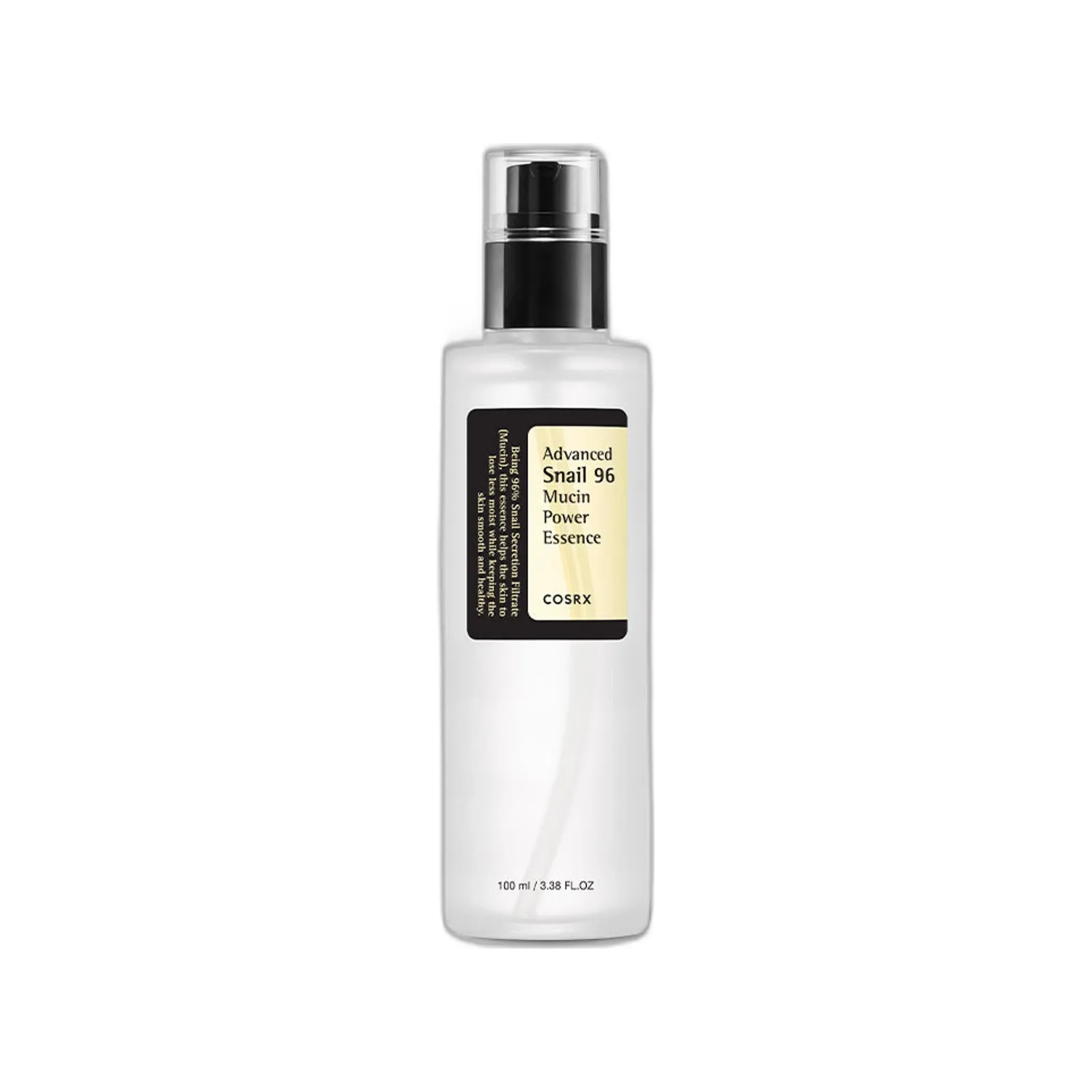
Start with the exact product, not the promise
Before analysing a list, check which product it belongs to. The full name, variant and market should match the pack you intend to buy. A range may include a serum, cream and eye product with similar names but different formulas. A reformulation can also make a list found online outdated. On WAI LAB, check the source and verification date: a page published today does not mean that every item of information was verified today.
What INCI names tell you
INCI is a naming system for identifying cosmetic ingredients. It is not a quality ranking. A long technical name does not automatically make a substance undesirable, just as a familiar name does not prove it suits you. Look up the complete name rather than stopping at fragments such as “alcohol” or “acid”. Recognised ingredient links on WAI LAB open explanatory profiles. Use them to understand the terminology, then return to the composition of the product you are considering.
How to read an ingredient list without guessing percentages
Ingredient order provides information about composition, but it is not a percentage table. Do not turn a position into a numerical value or apply one ingredient’s percentage to the whole formula. If a concentration is not documented, it remains undeclared. An ingredient highlighted in a commercial name and a concentration stated by a source are different pieces of information. Before comparing two numbers, check that they concern the same substance and the same basis of declaration.
An ingredient is not the same evidence as a finished product
A cosmetic function described for a substance is not automatically proof of a finished product’s results. WAI LAB therefore distinguishes ingredient explanations from information about an individual cosmetic. CosIng is also an informational database: an ingredient appearing there does not by itself mean approval for every use. Avoid conclusions such as “three actives make it three times better”. Useful questions concern the source, complete composition and limits of what has actually been declared.
Compare two formulas with a specific question
Open two products you genuinely want to assess and define your question. Do they share an ingredient? Are they the same product type? Are both concentrations documented? Record what matches, then what differs and what remains unknown. Do not call a product a duplicate simply because some names coincide. Comparing a rinse-off cleanser with a leave-on serum also requires keeping their different intended uses visible. A comparison should clarify your choice, not construct an artificial winner.
Move from reading to choosing without skipping checks
After examining the formula, return to the product: verify size, packaging directions and the characteristics relevant to your choice. Only then compare prices for the same item. A low price does not compensate for an incorrect match, and a more expensive formula is not in itself proof of better results. If the pack and profile differ, check the current source or report the discrepancy. For known allergies, persistent symptoms or ongoing treatment, this information does not replace a healthcare professional.
Frequently asked questions
Is a shorter list always better?
No. Ingredient count alone cannot establish effectiveness, tolerance or quality. Read the product in context.
Can list position reveal a percentage?
Not an exact percentage. WAI LAB leaves concentrations undeclared when a specific source is missing.
Where should I start?
Open one of the profiles below, read its full list and follow an ingredient link. Then examine another product in the relevant category.
Put the guide into practice
These profiles illustrate the checks described above; they are not a ranking or a claim that the products are interchangeable.
- COSRX Advanced Snail 96 Mucin Power Essence · 100 ml
- SkinCeuticals C E Ferulic · 30 ml
- CeraVe Detergente Idratante · 236 ml